California is taking a more active stance against the rising popularity of sports prediction markets. They are not the only ones, either.
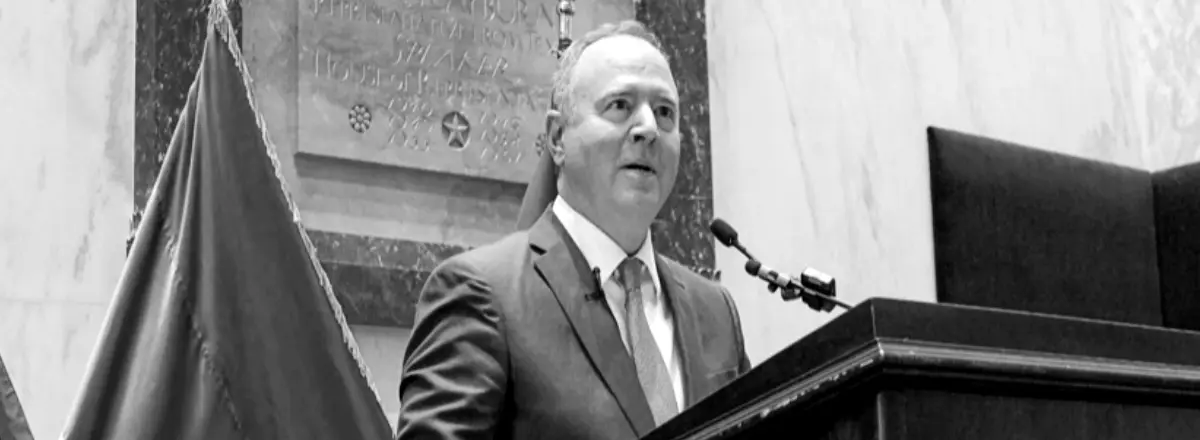
Democratic Senator Adam Schiff from The Golden State is being joined by Utah Republican Senator John Curtis to advocate for what has become known as the “Prediction Markets Are Gambling Act.” The bi-partisan bill is the first of its kind and seeks to ban any prediction market transactions related to sports or casino gaming.
While the joint effort is novel, the attempt itself is a long time coming. Congressional members generally argue that prediction markets egregiously circumvent laws for online sports betting in the United States. This stance is especially prevalent among those states that do not have any form of legal sports betting.
Why Utah and California are Joining Forces Against Sports Prediction Markets
The pairing between Utah and California senators makes a ton of sense. They cover so much of the political and societal spectrum. For starters, both sides of the aisle are represented here. Ditto for market sizes. If legalized, sports betting in California would be the biggest revenue driver in the country. Meanwhile, Utah is more of a smaller market.
Beyond that, The Golden State and The Beehive State represent somewhat different stances against sports prediction markets.
California is expected to eventually legalize sports betting. Prediction markets are direct competition to those services. Not only that, but they are getting a head start over would-be tribal operators in The Golden State.
As far as the future of sports betting in Utah goes, many experts do not believe there is one. Staunch conservative ideals coupled with growing socioeconomic concerns have The Beehive State ranked No. 1 or No. 2 on the list of states that will never legalize sports betting.
All of which makes this dynamic a borderline perfect match—a partnership that will appeal to the widest range of other states and their policymakers.
The Supposed Difference Between Sports Prediction Markets and Betting
For those who have not yet come across sports prediction markets, the key distinction between them, according to operators, is how transactions work.
If users sign up with operators like Kalshi or Polymarket, they are not placing money against “The House.” Instead, the payouts on event outcomes (i.e. Will the Los Angeles Dodgers beat the San Francisco Giants?) are determined by what sports prediction markets call “traders.” The more interest there is in “purchasing” the Giants-to-win outcome, the lower the payout. Much like the stock exchange, sports prediction market users have the ability to sell these event-outcome contracts for a profit before they conclude. Correct predictions, of course, will be cashed out.
In each case, sports prediction market operators receive a fee for processing a transaction. It doesn’t technically matter whether it’s a winning or losing contract. They secure a rate of the return regardless.
This is perhaps the biggest difference from sports betting. Sportsbooks don’t make anything off a winning bet, but they collect the entire sum invested off a losing wager.
Skeptics do not buy this distinction, which is why the Prediction Markets are Gambling Act exists. So far, though, this interpretation allows sports prediction markets to be overseen by the Commodity Futures Trading Commission (CFTC) rather than individual states. This is a big win for companies, since the CFTC regulatory bar isn’t nearly as high as state-by-state sports betting oversight.
The Crux of the ‘Prediction Markets are Gambling Act’
Senator Schiff is among those who believe sports prediction markets are gambling filed under a different name. As he said in a statement, per The Salt Lake Tribune:
“And yet, these contracts have been offered in all 50 states in clear violation of state and federal law. Rather than enforce the law, the CFTC is greenlighting these markets and even promoting their growth. It’s time for Congress to step in and eliminate this backdoor, which violates state consumer protections, intrudes upon tribal sovereignty, and offers no public revenue.”
Senator Curtis echoes these sentiments, while adding that “our bipartisan legislation clarifies regulatory jurisdiction, ensuring that states can maintain their authority over sports betting and casino gaming. The Prediction Markets Are Gambling Act is about respecting states’ authority, protecting families, and keeping speculative financial products out of spaces where they don’t belong.”
Drumming up support among other state Senators shouldn’t be too difficult. Even certain sportsbooks who have entered prediction markets may be on board. FanDuel and DraftKings only launched theirs in states without legal sports betting. It is widely known they will shudder those sports prediction markets if betting is ever legalized.
Still, the ease with which the federal government has approved and even promoted prediction markets is notable. The administration under President Donald Trump basically worships a free market. Enforcing bans on prediction markets could undermine other endeavors they have. Especially when it comes to speculative finance products.
Dismissive sentiments are another challenge. So many believe that sports prediction markets aren’t actually existential threats to sportsbooks. For now, they appear to be right. But drumming up enough data takes years. Sports prediction markets have yet to be mainstream for that long.
So go ahead and make note of the Prediction Markets Are Gambling Act. This won’t be the last time you hear about it.
Take a look at this list of the top online sportsbooks so you can find one that works for all of your sports betting needs:
-
EXCLUSIVE BONUS
 50% up to $250Play Now
T&C apply, 18+, Play responsibly
-
EXCLUSIVE BONUS
125% up to $1,250Play Now
T&C apply, 18+, Play responsibly
-
EXCLUSIVE BONUS
225% up to $3,625Play Now
T&C apply, 18+, Play responsibly
-
50% up to $250Play Now
T&C apply, 18+, Play responsibly
-
125% up to $2,500Play Now
T&C apply, 18+, Play responsibly