
Spend enough time around sports betting and you start noticing the same pattern over and over again. Most people are not losing because sportsbooks are unbeatable geniuses. They lose because they treat betting like a rush instead of something that requires patience and discipline.

A lot of casual bettors place wagers based on instinct alone. Their favorite team is playing, the game is on television, the atmosphere feels exciting, and suddenly money is going down with very little real thought behind it. A few bad weekends later, the bankroll is gone and frustration kicks in.
The bettors who last longer usually approach things very differently. They are not necessarily mathematical masterminds or people with secret insider information. More often than not, they are just calmer than everyone else. They understand risk better, avoid emotional decisions, and accept that losing is built into the experience.
A lot of bettors search for free sports betting tips online, but most long-term success still comes down to discipline, bankroll management, and avoiding emotional decisions.
That last part matters.
Sports betting tips from pro bettors
New bettors often think successful gambling means constantly picking winners. It does not. Even very sharp bettors lose regularly throughout the season. The difference is they focus on making good decisions consistently rather than trying to predict every single game correctly.
There will be losses too. Every experienced bettor has stories about last-second touchdowns ruining spreads, meaningless late baskets killing totals, or bizarre referee calls flipping an outcome completely. It happens. Complaining about bad beats is basically part of sports betting culture at this point.
The people who survive long term are usually the ones who stay controlled during those moments instead of completely unraveling after one rough night.
These sports betting tips are designed to help newer bettors avoid the mistakes that drain most bankrolls early on.
Treat betting like an investment, not a scratch card
One of the biggest mistakes beginners make is constantly chasing massive payouts. Parlays are a perfect example. Turning a small stake into hundreds of dollars sounds great in theory, which is exactly why sportsbooks promote them so heavily. The problem is that linking together multiple outcomes dramatically lowers your chances of actually cashing the ticket.
Most serious bettors rely far more on straight wagers than giant parlays. It may not look as exciting on social media, but slowly grinding profit is usually more realistic than trying to land miracle payouts every Saturday. That does not mean parlays are useless. Throwing a few dollars on one for entertainment is completely fine. The problem starts when bettors convince themselves those longshot tickets are a sustainable strategy. They usually are not.
A smarter way to approach betting is to think long term. Every wager should have logic behind it. If you cannot clearly explain why you like a bet, there is a good chance you are betting for action rather than value.
Check out our Sports Betting Strategies - Proven Systems & Tips On How To Win to help boost your chances of winning.
Bankroll management matters more than most people realize
Ask longtime bettors what destroys beginners fastest and bankroll management will come up almost immediately. A lot of people lose because they cannot handle swings emotionally. They double their bet size after a loss. They chase money late at night trying to recover quickly. They throw huge amounts on so-called “guaranteed locks” that are never actually guaranteed. Then reality hits.
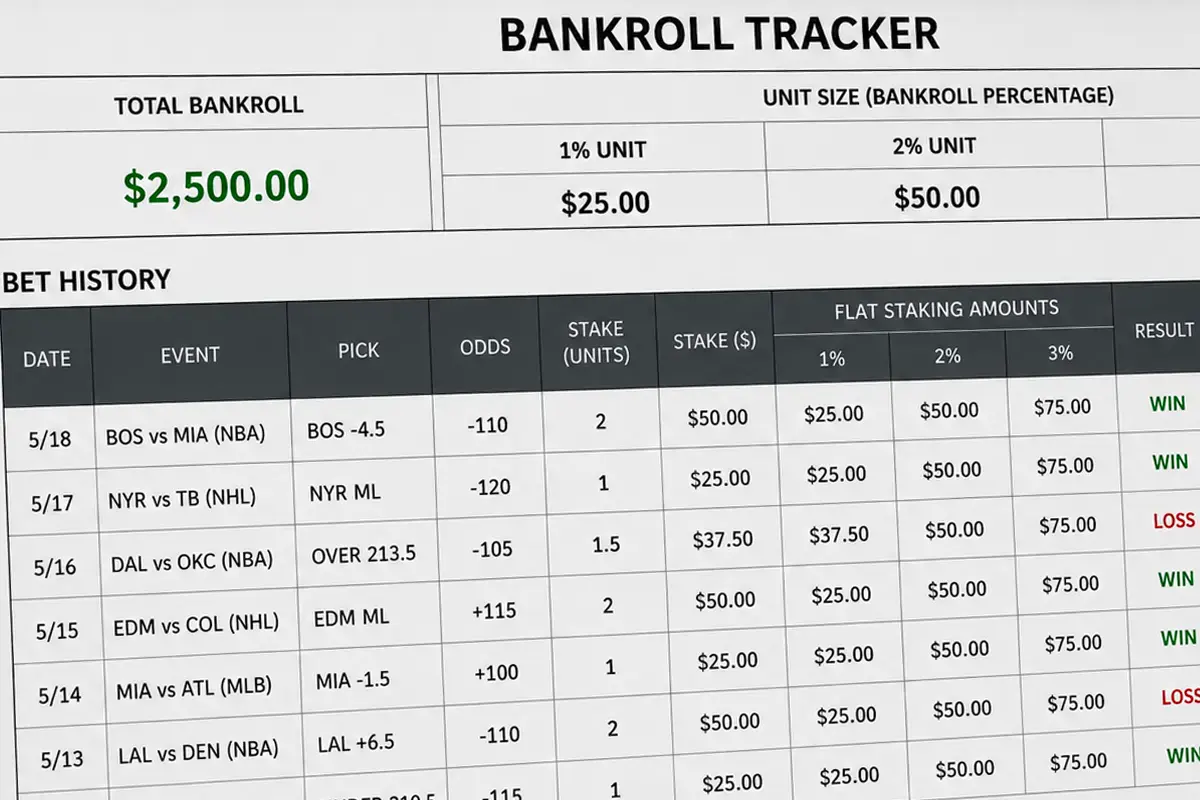
For example, a bettor with a $1,000 bankroll might risk between $10 and $30 per wager using a flat betting approach. That protects the bankroll during losing streaks and helps avoid reckless swings in stake size.
Experienced bettors protect their bankroll carefully because they know cold streaks happen to everybody. Even skilled gamblers can lose six, seven, or eight bets in a row. Sports are chaotic by nature. Injuries happen unexpectedly. Teams overlook weak opponents. Weather changes everything sometimes. That unpredictability is exactly why disciplined staking matters.
Many bettors use a flat betting strategy where every wager stays around one to three percent of the total bankroll. It sounds conservative, maybe even boring, but surviving losing stretches is part of becoming profitable long term. One terrible weekend should never wipe out months of work.
Avoid emotional betting at all costs
This is probably the hardest habit for most bettors to control.
Nothing empties an account faster than emotional gambling. A bettor loses a close game and immediately jumps onto the next matchup trying to win everything back. That bet loses too, which leads to another desperate wager a few minutes later. Before long, they are betting on sports they barely follow simply because frustration has completely taken over. Experienced gamblers usually refer to this as tilting. Almost everyone has done it at some point.
Years ago, I watched a bettor lose a painful NFL spread on a meaningless late touchdown. He was furious. About fifteen minutes later, he put a huge amount on an NBA underdog he clearly had not researched properly. The game was basically over by halftime. He spent the rest of the night blaming officials and bad luck when the real problem was obvious from the start, emotion had replaced logic.
A lot of popular sports betting tips and tricks online focus on shortcuts, but experienced bettors usually rely more on patience, timing, and disciplined decision-making.
Good bettors understand something important: smart bets still lose sometimes. Bad bets win occasionally too. Short-term results do not always prove whether a decision was good or terrible.
Shop around for better odds
This is one of the simplest sports betting tips out there, yet many casual bettors ignore it completely.
Different sportsbooks post different numbers. Sometimes the gap looks small, but over the course of hundreds of bets those differences become extremely important. Maybe one sportsbook has a team priced at +120 while another offers +135. At first glance, it does not feel significant. Over time though, consistently taking stronger prices can seriously improve overall results.
For example, one sportsbook might offer a team at +120 while another lists the same team at +135. That difference may seem small on a single bet, but consistently taking the better number can make a huge difference over hundreds of wagers.
Professional bettors compare odds constantly. Many have accounts at several sportsbooks specifically for this reason. It is one of the few genuine edges bettors can actually control themselves.
For a beginners guide to how odds work, check out our guide - How Do Odds Work? Simple Beginners Guide.
Understand what value really means
A lot of newer bettors think gambling is simply about picking winners. That is not really how experienced bettors see it. The real goal is finding value in the odds being offered. For example, if you believe a team has a much better chance of winning than the sportsbook suggests, that may be worth betting even if the wager eventually loses. That part confuses beginners sometimes. Good bets do not automatically win. The idea is making enough positive-value decisions over a long period of time for the numbers to eventually swing your way.
Once bettors start thinking in terms of value instead of simply asking “who wins?”, their entire perspective changes.
That shift separates recreational betting from more serious betting strategies.
Do not force action every day
One thing newer bettors struggle with is the feeling that they always need something to bet on.
You really do not.
A lot of experienced gamblers skip entire slates if they do not see worthwhile opportunities. They would rather wait patiently than force wagers out of boredom.
Think about poker for a second. A good poker player does not play every hand just because they are sitting at the table. Sports betting works the same way. Sometimes the smartest move is simply doing nothing.
That discipline is difficult, especially during packed weekends when games are everywhere, but forcing bad bets usually creates unnecessary losses.
Specializing can create an edge
Trying to master every sport at once is nearly impossible.
Most successful bettors eventually narrow their focus. Some specialize in NFL spreads. Others focus heavily on tennis totals, MMA, soccer, baseball props, or college basketball.
The reason is simple. Knowledge matters.
The more familiar you are with a particular sport or league, the easier it becomes to notice details casual bettors miss. Maybe a team struggles badly in travel spots. Maybe weather conditions favor one side more than people realize. Maybe a bullpen is exhausted after a long series.
Those little details can matter far more than generic statistics.
Personally, soccer, golf, and darts have been the sports where I have found the most success because they are the sports I genuinely follow closest.
Our Sports Betting Guide is the ultimate guide with practical tips for beginners.
Timing plays a bigger role than people think
Betting lines move constantly throughout the week.
A spread available Monday morning might be completely gone by Tuesday evening once injury news breaks or sharp bettors attack a number early.
Good bettors pay attention to that movement.
Sometimes betting early gives you the best value. Other times waiting is smarter, especially if important lineup information is still uncertain. This is particularly true in basketball and football where one player can dramatically shift the market. Blindly betting whenever convenient is rarely ideal. Sharp bettors monitor numbers carefully because even half a point can matter over time.
Many sharp bettors also pay attention to closing line value, often called CLV, which measures whether they beat the market before the line moved.
Public perception influences betting markets
Casual bettors tend to overvalue famous teams. The Dallas Cowboys, Los Angeles Lakers, and Manchester United attract betting attention almost no matter how they are performing. Sportsbooks understand this perfectly well.
That popularity can sometimes inflate lines because bookmakers know the public will continue backing those teams anyway.
Experienced bettors occasionally look for value on less popular sides because public perception pushes the market too far in one direction.
That does not mean fading every popular team automatically. It just means understanding that reputation influences odds more than many beginners realize.
Keep track of your bets
A surprising number of bettors never properly track their wagers. Instead, they rely on memory, which usually means remembering wins more clearly than losses. Keeping records changes that quickly.
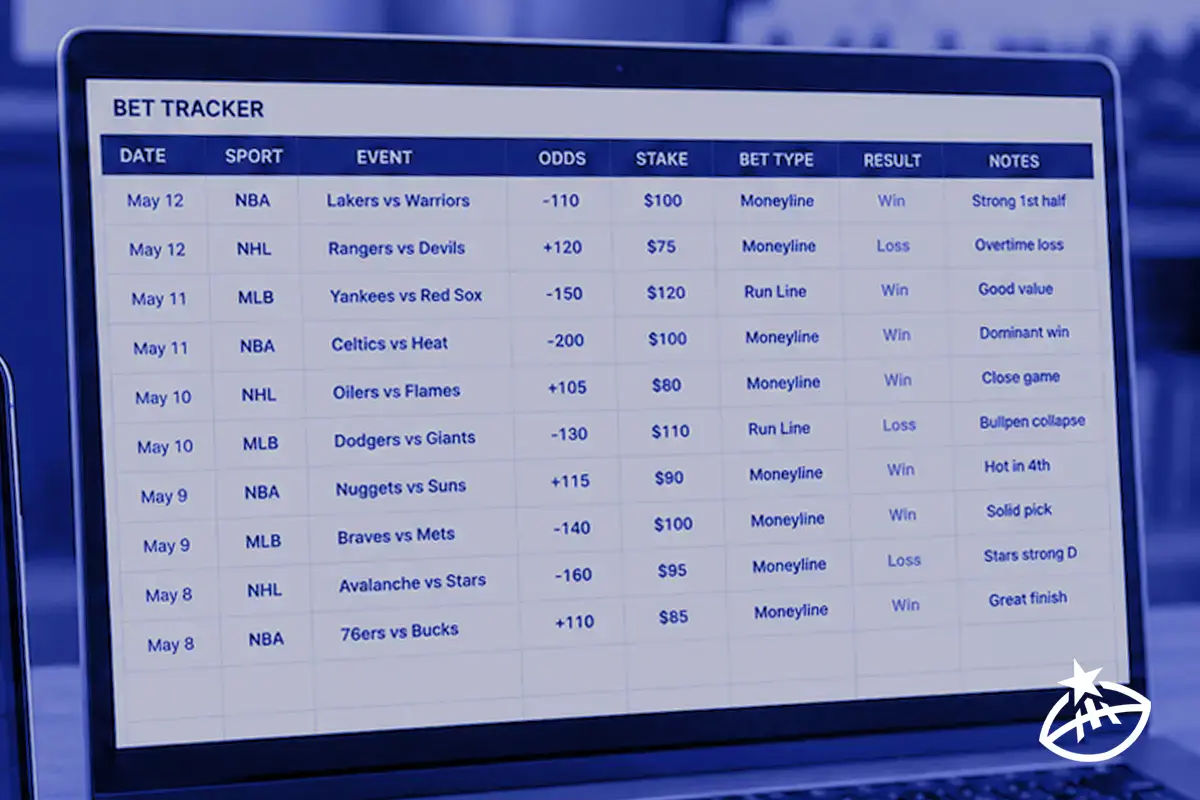
Track the sport, odds, stake size, bet type, result, and the reasoning behind each wager. After a few months, patterns start appearing. Maybe you are excellent with baseball totals but terrible with NBA player props. Maybe underdogs are consistently profitable for you while favorites are not.
Without data, improvement becomes guesswork.
Longtime bettors treat records seriously because they want an honest picture of their strengths and weaknesses.
Learn to handle losing properly
This is something social media rarely shows honestly.
Even excellent bettors lose regularly. There will be ugly stretches. Weeks where every bounce seems to go the wrong way. Nights where one ridiculous ending ruins everything.
It happens to everybody eventually.
The key is staying level-headed during those periods instead of abandoning discipline completely. Emotional resilience matters far more in betting than most beginners expect.
Be skeptical of online betting gurus
The internet is full of people claiming to be unbeatable sports betting experts. Most are not.
If somebody promises guaranteed winners or claims they “never lose,” that alone should raise immediate red flags. Legitimate bettors understand losing is unavoidable.
A lot of handicappers online only post winning tickets while quietly deleting losses afterward. Some are far better at marketing than they are at actual betting.
That does not mean every betting community or analyst is useless. There are smart people sharing useful information online. Just approach everything with healthy skepticism instead of blindly trusting flashy win screenshots.
Good betting advice tends to sound realistic. Bad betting advice usually sounds like a sales pitch.
Live betting can be dangerous
Live betting has become incredibly popular because it adds constant excitement during games.
It also creates plenty of opportunities for impulsive decisions.
Odds move rapidly in live markets, and bettors often panic after sudden momentum swings. One early goal or turnover can completely change emotions in the moment.
Experienced live bettors usually stay patient rather than reacting instantly to every score change. Sometimes the best opportunities appear when sportsbooks overadjust to short-term events.
A strong basketball team falling behind early, for example, may suddenly become far more attractive at updated odds despite still being the better team overall. Patience matters far more than speed in live betting.
Research still matters
A surprising number of people bet games after doing almost no research at all. Then they blame luck afterward.
Good betting research is not about memorizing endless statistics either. Context matters just as much.
Is a team motivated? Are injuries piling up? Is travel becoming an issue? Does weather favor one side? Are scheduling spots difficult?
Sometimes simple situational factors matter more than advanced analytics.
A talented team playing its third road game in five nights may not perform anywhere near its normal level regardless of overall quality. Good research helps identify situations casual bettors often overlook.
Know when to walk away
This may be the most important advice in the entire article.
Sports betting should never become financially destructive.
Set limits before you start betting and stick to them seriously. Never gamble money needed for bills, rent, or important expenses. Once betting stops being enjoyable or controlled, it is probably time to take a break.
A lot of experienced bettors understand that discipline away from the sportsbook matters just as much as discipline inside it. Walking away is a skill too.
Final thoughts
Sports betting is rarely as glamorous as social media makes it appear. Most of the flashy winning slips and luxury lifestyle posts leave out the losing streaks, bankroll mistakes, and frustration happening behind the scenes.
The bettors who survive long term are usually not the loudest people online. They are patient. Measured. Sometimes honestly a little boring with how carefully they manage money.
That tends to be why they last.
Long-term betting success is built on discipline, emotional control, research, and realistic expectations. Not miracle parlays or reckless all-in bets.
The good news is beginners can improve quickly simply by avoiding common mistakes. You do not need to be a math genius to become a smarter bettor. In many cases, the biggest advantage comes from staying calm while everybody else around you loses control.