A new piece of Florida sports betting legislation seeks to make it illegal to not only offer gambling services outside the Seminole Tribe umbrella, but also to participate in it as a customer.
House Bill 189 is currently making the rounds through The Sunshine State’s legislature. As of now, there is momentum toward it getting the ultimate stamp approval.
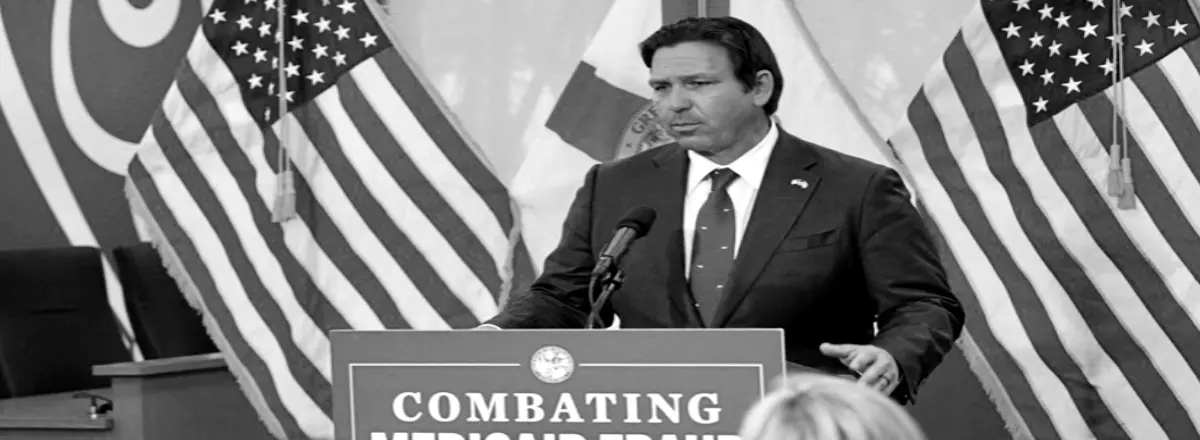
This comes as no surprise given the setup of Florida sports betting. Governor Ron DeSantis brokered the gaming compact that gave the Seminole Tribe sports betting exclusivity. The state attempting to regulate that exclusivity more effectively, more thoroughly, even more rigidly, fits the spirit of the initial agreement.
Of course, the regulation of illegal sports betting is incredibly difficult. This was true long before sports betting in the United States ever got legalized at a wider scale. It is truer now, as operations have become more sophisticated.
Indeed, detection mechanisms are more sophisticated, too. Sportsbooks in the United States have been able to suss out problematic trends. This has contributed to the uptick in reported gambling scandals.
Still, the policing of this multi-billion-dollar illegal betting industry is woefully inexact. For every scandal that grabs headlines, there are others flying under the radar, many of which will never be unearthed and rooted.
This raises the question: How will the latest Florida sports betting bill actually work? And moreover, can it actually work?
Full Details of Florida Sports Betting Bill
Let’s first have a look at what’s within HB 189. Here is Geoff Zochodine of Covers with the full breakdown:
“Key Takeaways: Florida lawmakers advanced H.B. 189, which would make operating or promoting non-Seminole online sports betting or iGaming a felony and participating in it a misdemeanor. The bill preserves exceptions for the Seminole Tribe’s Hard Rock Bet platform and authorized pari-mutuel wagering. H.B. 189 also addresses fantasy sports, betting on fixed games, regulatory clarifications, and other gambling oversight measures while continuing to face a long path to becoming law.
“In other words, H.B. 189 now proposes a broad crackdown on any online sports betting Floridians may be doing with any operator that isn't the Seminole Tribe, which was granted exclusivity over sports betting via a compact with the state. There is no authorized iGaming in Florida…The recently added provisions to the bill would be in addition to plenty of other gambling-related sections, including a proposed legal framework for daily fantasy sports and the criminalization of betting on a game when the bettor knows the results have been fixed.”
The structure of this initiative is similar to previous proposals that have failed to pass. It basically adds layers to the past regulation amendments.
Will the New Sports Gambling Initiative Pass?
Some experts remain skeptical that it will pass. They point toward the previous failures as a primary example. Unlike other occasions, though, the fate of Florida sports betting is no longer being determined by litigation. The latest lawsuit aimed at the Seminole Tribe’s gaming compact was recently dismissed. It also never had any real traction in the first place.
To that end, the legality of the current Florida sports betting model isn’t billowing in the wind anymore. Other legal challenges may await down the line. For now, its status feels overwhelmingly secure. This, in turn, may compel policymakers to place more stock in the regulatory add-ons from HB 189.
Another interesting subplot to this Florida illegal sports betting bill is that it may not be in response to illegal sports betting at all. Or rather, at least not entirely.
Interpretations of the initiative believe that illegal activity would encompass prediction markets. Operators like Kalshi offer what they call event-based contracts. They essentially amount to “Yes or no?” outcomes. Previously, these markets focused predominantly on entertainment, business and politics. More recently, however, they have leaned into sports predictions.
House Bill 189 May Not be Completely Aimed At Illegal Sports Betting
State legislators across the country argue these prediction markets amount to illegal sports betting. Those who provide them maintain that they are “trades.” Customers, they say, are not wagering against a house. They are investing relative to the rest of the market.
This interpretation is so far holding up. A handful of states have brought litigation against prediction-market companies to no avail. To be fair, most matters are still pending. But courts have ruled prediction-market operators can continue providing services in the interim.
It makes sense that Florida sports betting regulators would want to take action. While some bigger companies like FanDuel, DraftKings and others have started offering prediction markets of their own, The Sunshine State is not incentivized not to let that fly.
Right now, prediction markets are federally regulated trades. This means they can operate in every state, regardless of sports betting laws. Though sportsbooks report their bottom line has yet to be materially impacted in states with legal sports wagering, Florida is different. The Seminole Tribe is the only game in town. There is not supposed to be an alternative. If prediction markets are allowed to exist, the tribe will almost assuredly see its revenue stream suffer.
Whether this is enough for HB 189 to get over the hump remains to be seen. More importantly, it also remains to be seen whether it’s even possible to effectively regulate these infractions if the bill is successful.
Take a look at this list of the top online sportsbooks so you can find one that works for all of your sports betting needs: