It turns out Ohio sports betting regulators will not be banning NFL player prop wagers after all.
The idea of nixing these transactions will seem blasphemous to plenty of fans and analysts. Especially because the ban would not have been limited to online NFL prop bets. The Ohio Casino Control Commission was contemplating a general ban on player-specific micro bets after Major League Baseball officials spearheaded an initiative to limit these wagers in their own sport.
If The Buckeye State followed through, it would have marked a monumental shift not just for sports betting in Ohio, but the entire country.
Prop Wagers Have Become a Larger Slice of the Ohio Sports Betting Pie
Most do not realize how common prop wagers have become. Never mind just the Ohio sports betting market, though it is certainly on the rise here. Prop wagers are now a billion-dollar industry unto themselves.
Back in 2024, Citizens JMP Securities estimated that prop bets make up 50 percent of the transactions at certain wagering sites. Around the same time, when the NCAA called for a ban on college player props, JMP estimated that implementing one would cost sportsbooks around $200 million per year in annual revenue.
Again: This is just college football betting. It does not begin to incorporate every other sport. NFL prop betting is bound to be worth more per year. There’s a chance you can say the same about NBA prop betting, given the popularity of these wagers in basketball, as well as the Association’s expansive 82-game schedule.
Why Didn’t Ohio Follow Through with the Prop Ban?
Relative to all of the information at hand, a prop-wager ban would have a monumental impact on Ohio sports betting revenue. This by itself seems to explain why The Buckeye State backed off the idea. But it’s slightly more complicated than that.
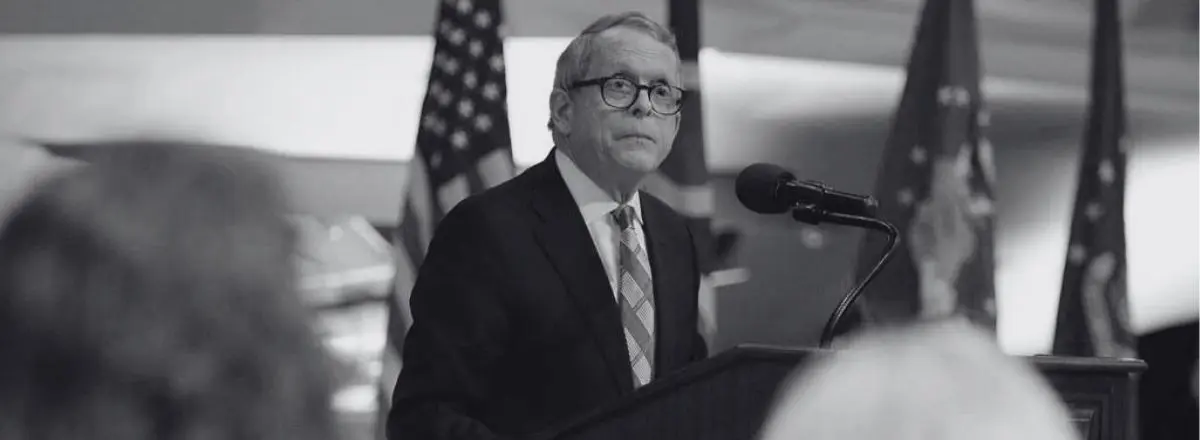
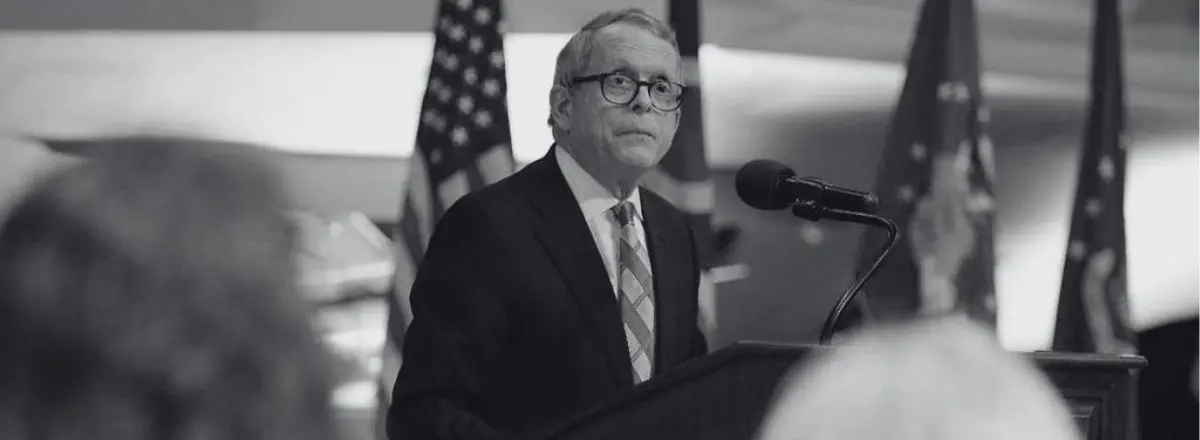
In reality, the Ohio Casino Control Commission was satisfied with the betting-limits approach to micro wagers. Governor Mike DeWine, a staunch opponent of these transactions, even seems to be on board. Here is Matthew Waters of Legal Sports Report with more:
“In August, Gov. Mike DeWine called on the regulator to ban certain prop bets from the state when investigations into the two pitchers first surfaced. The OCCC began working on a rule to ban micro bets on player-specific events days later. The regulator is satisfied with the outcome of discussions between MLB Commissioner Rob Manfred and Gov. DeWine.
“The Commission recognizes the successful dialogue between Governor DeWine, Major League Baseball Commissioner Manfred, and the market-leading sportsbooks that achieved a meaningful result that will apply nationwide,” said Emily Berner, assistant general counsel of the OCCC. “Introducing a rule now could inadvertently impede other conversations from occurring and potentially stifle that dialogue. “The Commission can proceed with a rule should it become apparent that regulatory action is necessary.”
While this MLB-specific saga seems to have reached a semi-resolution, the truth is, we may just be at the beginning of a profound sports betting conversation.
Expect Prop Betting to Keep Getting Put Under a Microscope
The rise of online sports betting in the United States has led to plenty of issues, both seen and unforeseen. Most notably, we are witnessing an uptick in scandals involving pro athletes.
This Ohio sports betting inquiry was primarily incited by the indictments of “two Cleveland Guardians pitchers who allegedly rigged pitches as part of an illegal sports betting scheme.” But the overall conversation surrounding prop bets seeps into every league. The NBA is dealing with its own betting scandals. The NFL has suspended players in the past for violations. This issue with the Cleveland Guardians won’t be the last we hear of such a scheme.
That brings us back to the future of prop betting in the United States. Though these wagers are increasingly popular, they are also the bets most easily manipulated. Sure, players can in theory tip the outcome of entire games. But when you are playing a team sport, impacting your own statistics is far more effective.
Let’s use baseball as the primary example. Sportsbooks will offer odds on events like the result of the first pitch. Will it be a strike or a ball? If you are a pitcher, you have the ability to determine the outcome of that bet. You cannot say the same about the Cleveland Guardians' odds to win any given game.
On top of this fear from regulators, these wagers are also the transactions that drive online harassment for pro and professional athletes. Aggrieved bettors will not always be inclined to vociferously blame an individual for a team loss. They show much less restraint when a player fails to meet their individual betting line, such as an over/under on the number of strikes a pitcher will throw or the over/under on the number of passing touchdowns an NFL quarterback will have.
Pushes to ban prop bets are more pronounced in collegiate sports. It is only a matter of time before they become more frequent with regard to pro leagues.
Whether a state will actually implement a widespread ban on prop wagers after legalizing sports gambling in the first place is debatable. The decision from Ohio sports betting regulators is proof of how complicated the matter can be. But the willingness from The Buckeye State to embrace micro-betting limits says a lot. If nothing else, it suggests other states might, if not certainly will, follow suit.
Take a look at this list of the top online sportsbooks so you can find one that works for all of your sports betting needs:
-
EXCLUSIVE BONUS
 50% bonus up to $250Play Now
T&C apply, 18+, Play responsibly
-
EXCLUSIVE BONUS 125% up to $1,250Play Now
T&C apply, 18+, Play responsibly
-
EXCLUSIVE BONUS 225% up to $3,625Play Now
T&C apply, 18+, Play responsibly
-
50% bonus up to $250Play Now
T&C apply, 18+, Play responsibly
-
125% up to $2,500Play Now
T&C apply, 18+, Play responsibly